Turkish High Schools Championship
In a tournament of 110 teams spread across four months, I served as both committee chair and chief adjudicator.


 Film Shelf · Book Shelf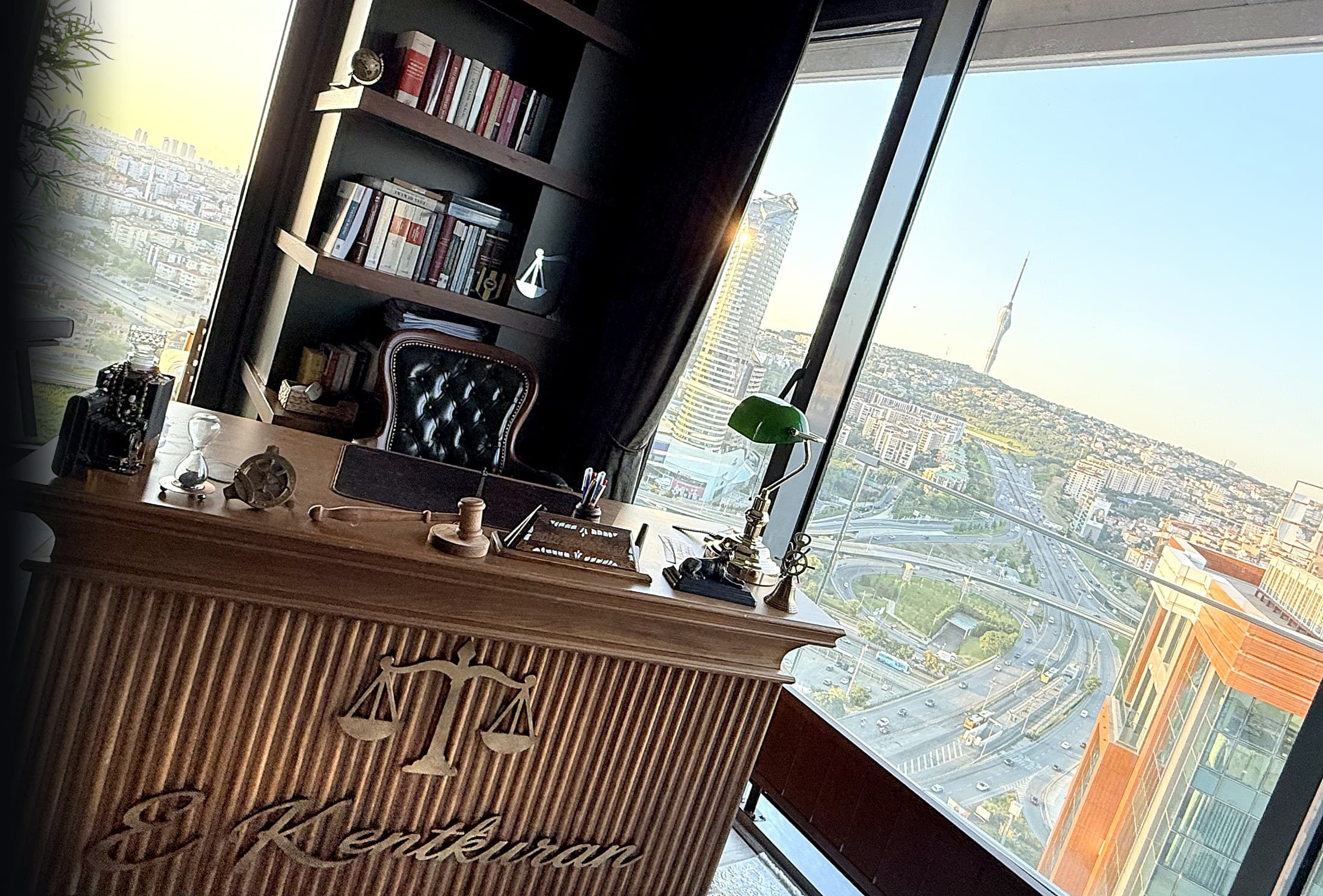
Some works are more than a profession; they reveal how a person reads the world. On film sets, in debate halls, across agricultural fields, and around decision tables, I kept learning the same thing: a good idea is an idea that can be executed well.
My desk was never confined to a single industry. Many different ventures accumulated on it over the years, yet every one of them grew out of the same discipline: how does this idea reach the field? That is the question every venture began with, and by now I have gathered quite a few answers. This page brings those answers together.
It began with stepping up to the podium at university; before long it grew into a line of work that ran through teaching, founding tournaments, chairing juries, and carrying all of it into the private sector.
I discovered debate at Istanbul University. After the successes I earned in the club I was elected its president, and I began teaching debate techniques at Turkey's leading high schools. What I learned at the podium I soon carried to the organizing table: within the Turkish Private Schools Association I founded the country's first inter-high-school debate tournament, running both the organization and its jury committee.
The Turkish National Debate Council then chose me to chair the committee of the 13th Turkish Debate Championship. In 2011 I organized the country's largest debate tournament, with 39 universities competing.
Every year I ran the Turkish Debate Camp (the first of its kind in the country) with 120 students over ten days in Antalya: effective rhetoric, career planning, the psychology of persuasion, public speaking, and negotiation. I gathered that experience in Etkin Hitabet ve Münazara (Effective Rhetoric and Debate), one of the first books in Turkey to teach international debate techniques.
In 2013 I founded the Etkin Hitabet company and carried the same discipline into the private sector: trainings in the psychology of persuasion and communication architecture, and negotiation programs designed especially for the pharmaceutical industry. With GlaxoSmithKline I brought a first to Turkey: KBB'de Yorum Farkı (A Difference of Interpretation in ENT). For four days in Sapanca, ENT physicians debated the contested questions of their field before juries of professors; we held the final at the National ENT Congress in Antalya, in front of all the participants. Every argument defended was turned into a working report and shared with physicians across the field.
In a tournament of 110 teams spread across four months, I served as both committee chair and chief adjudicator.
I chaired the committee of a championship in which 40 teams competed over five days.
I was vice chair of the committee for the 20-day organization that hosted the national teams of 50 countries in Antalya.
Debate, rhetoric, negotiation, and persuasion-psychology trainings for more than 3,000 students at 11 universities and 180 high schools; symposiums and camp programs.
I carried the communication I had learned in the field into corporate life: sales strategy, team building, and planting a brand in the market from scratch.
I entered corporate life at Sonitel Bilişim, a developer of call-center software, as Sales and Marketing Manager. For a year I built the sales strategy, managed the corporate client portfolio, and carried what the field demanded back into product development. I then took on the General Manager role for two years, directly steering the company's commercial growth, its team, and its operational decisions.
Then came an offer from Vivenso, one of Germany's largest brands in cleaning robots and hygiene technology, and I became General Manager of Vivenso Turkey. Over two years, in line with German work discipline and quality standards, I led the founding of the Turkey office, the structuring of the sales and field teams, the dealer and service organization, the training programs, and the positioning of the brand.
Turkey had deeply rooted competitors; we entered the market not merely with a product but with a hygiene narrative built on measurement and proof. Through the Hygiene Check-Up project we developed, our teams took measurements in customers' homes; the need became visible as hard data, and our recommendations rested on that data. The brand set itself apart quickly and earned trust.
Running venues has always been a passion of its own alongside my professional life. While my education and consultancy work continued, I founded concept venues in Turkey and abroad, and I ran them not from a desk but from the floor. From concept design to team management, from the kitchen line to the guest experience, I lived every step of the craft firsthand.
Photograph · with the Bourbon Lounge team, North Macedonia.
An Ottoman-concept café and restaurant of 500 square meters, its name borrowed from an old Istanbul dervish lodge: a grand waterfall in the garden, secluded seating on traditional divans inside, and the signature dishes of Ottoman cuisine in an atmosphere composed of ebru marbling, calligraphy, and gilded illumination. The venue drew attention quickly and won great affection from its guests.
A large venue for 200 guests on Duke Square, the city's biggest square. The concept centered on Odesa's own history; we brought world cuisine and Turkish flavors together on a single menu.
One of the region's largest cafés, which I founded while managing my agricultural investments. It became a strong hands-on practice in which I experienced every step of venue management in the field.
The venue notebook · from the opening day of Meşk Miskinler Tekkesi to Bourbon Lounge; frames of concept, team, and atmosphere.
In the Ohrid region of North Macedonia, we established a plantation of 100 dönüms (roughly 10 hectares) to grow hazelnuts at the quality standard of industrial chocolate production.
Land preparation before planting · Ohrid, North Macedonia.
The goal was clear: to build a sustainable, high-yield production model fit for the premium hazelnut supply chain that Ferrero Group, one of the world's largest packaged confectionery companies, draws on for its chocolates and creams. We chose the Italian-bred Nocchione variety: suited to industrial use, with a controlled fat profile that leaves chocolate's aroma balance intact.
We planned the orchard on a single-trunk training system; the drip-irrigation infrastructure, row spacing, tree layout, and maintenance program were all drawn up against a five-year production projection. Before planting we completed soil analysis, pH balancing, organic-matter enrichment, drainage work, and mineral-nutrition amendment; we planted in 2020.
For three years I managed the entire process, from land preparation to sapling selection, from the irrigation and fertilization plan to pruning and care, from disease monitoring to yield projection.
A journey that began with screenwriting grew into a complete production practice, from short film to national broadcasts, from running sets to distribution and marketing.
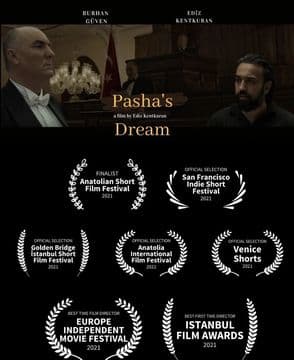
My story in cinema began with a script. My first professional step was Paşa'nın Rüyası (The Pasha's Dream), a short film I wrote and directed; it earned awards on its festival run and entered special selections. That film showed me something: the reflex of turning a creative idea into execution was my real trade.
In time I did more than write. I became versed in financing, production and directorial preparation, set management, post-production oversight, promotion and marketing, and distribution. Eleven of my scripts have been filmed to date; each project taught me to manage, ever more systematically, every stage an idea travels from page to set to audience.
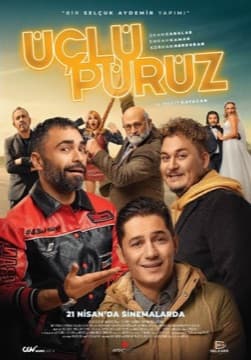
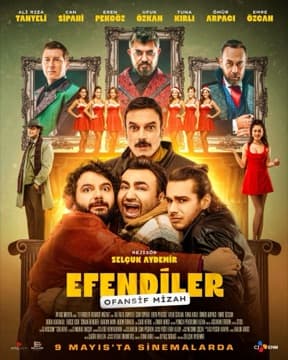
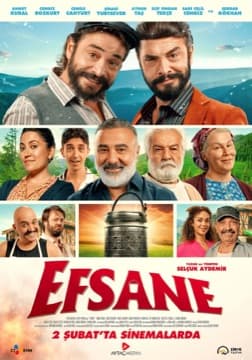
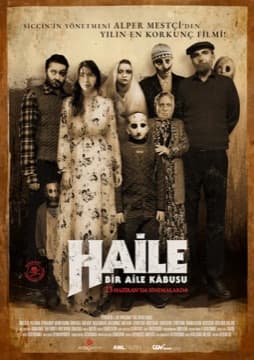
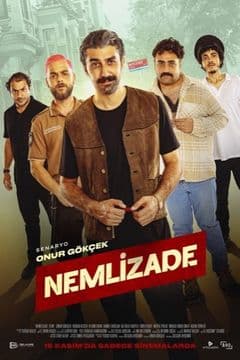
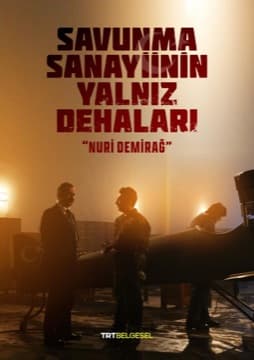
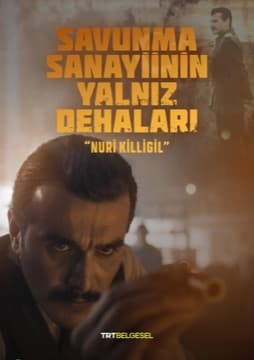
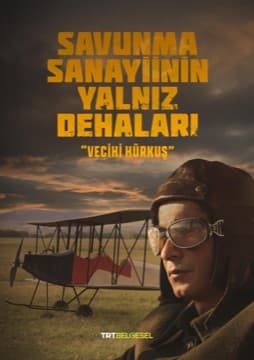
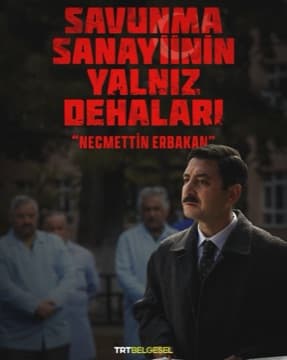
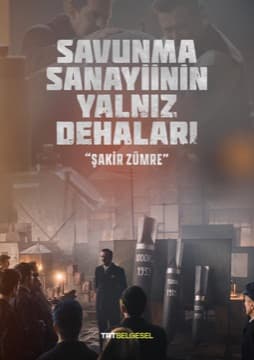
I served as general coordinator on Savunma Sanayiinin Yalnız Dehaları (a documentary series on the lone geniuses of Turkey's defense industry), Güven Bana, Üçlü Pürüz, Efsane, Mahlukat, Haile, Haile 2, Nemlizade, and Efendiler, coordinating teams from preparation through the shoot and post-production. I have taken part in symposiums at universities and institutions and received awards; today I share my field experience with new producers through production trainings. This work now continues under my own production company, Kent Picture; my writing on the history of cinema and the profession of producing, the films I have worked on, and my current work in the field are all at kentpicture.com.
Click a poster to watch its trailer.

Every venture on this desk began with the same question: how does this idea reach the field? The question at the head of the desk is now a different one: how is a person's right protected?
After I finished law school with honors, a new file was opened on this desk. The first task was to share what I had learned: I built an archive of 90 articles across nine fields, from real estate to labor law. My aim is not to write for lawyers, but to build a plain legal narrative through which citizens can understand their own rights. The full archive is on the Legal Articles page.
I am now pursuing a master's degree in public law. My field is the intersection of constitutional and criminal law: the place where fundamental rights and freedoms meet the limits of the state's power to punish. I want to write, produce, and leave a lasting contribution to the literature in this area.
On film sets, in debate halls, and in company and project management, what I learned was always the same: a good idea is an idea that can be executed well. But I came to see that where there is no justice, it hardly matters how good the idea is. So it is time to ask a new question:How does a person best defend their rights?Now, as a jurist, I answer that question at this desk.
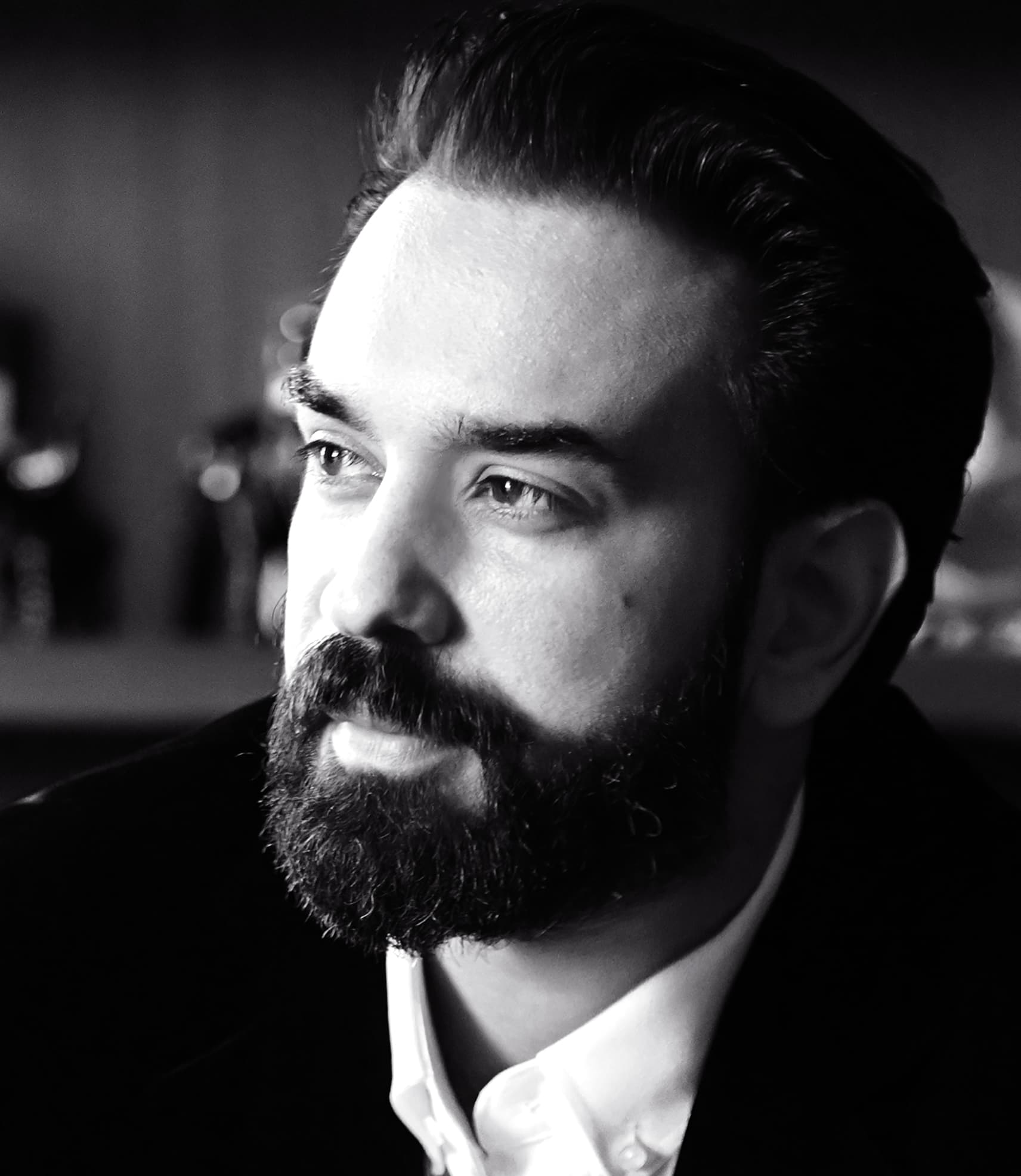
Ediz Kentkuran