






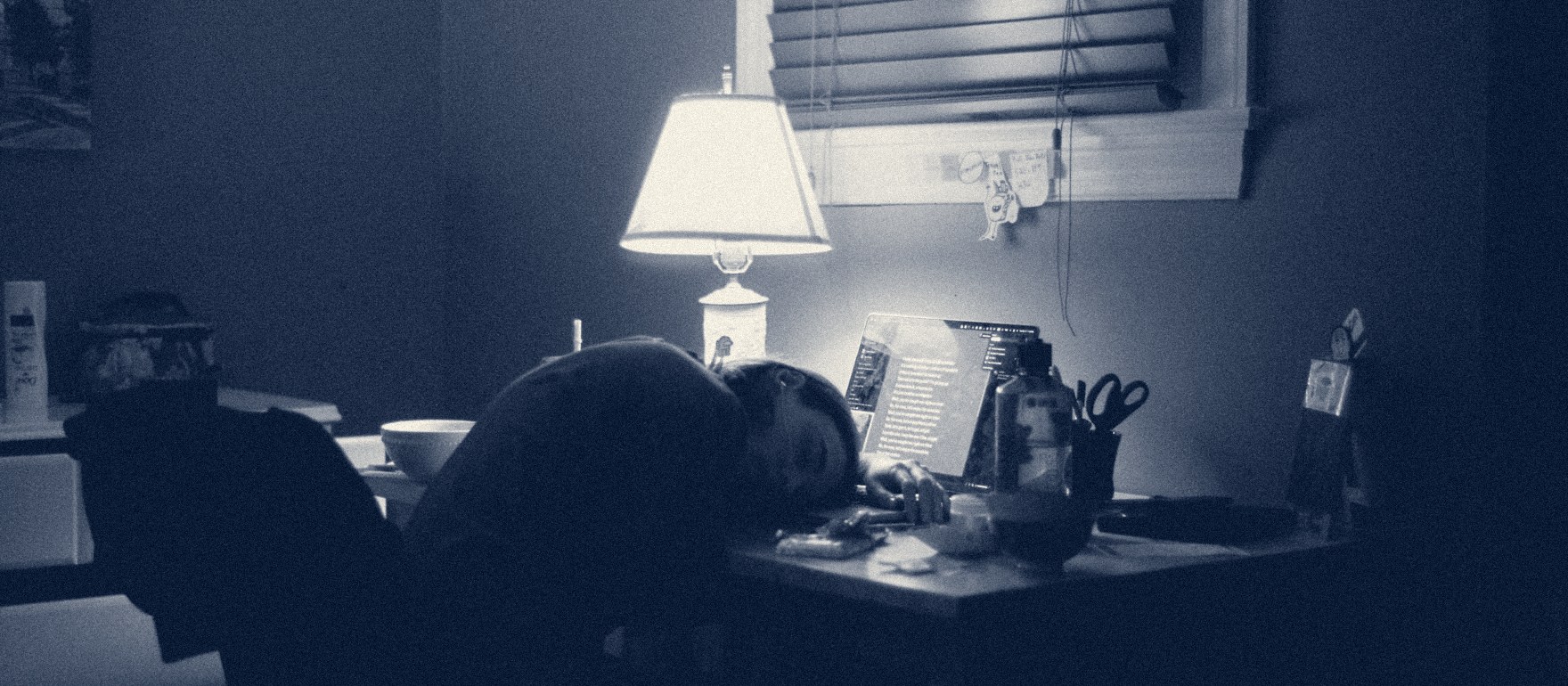
Working Hard but Not Seeing Results?
When a student tells me, 'I'm working but it's not working,' the first thing I look at isn't how many hours they've put in. It's how they're working. Because working a lot and working well are not the same thing. A person can stay at the desk for hours, underline the book, decorate the page with colored markers, watch videos. But if at the end of all that they ask themselves a question and no answer comes, that effort hasn't yet turned into learning.
The core issue here is usually not motivation but the lack of a system. Motivation comes and goes. It's here today and gone tomorrow. But with a system in place, you know what to do even when motivation is low. First you break the topic into small pieces. Then you turn those pieces into questions. After that, you close your notes and try to recall. Finally, you classify your mistakes. This deceptively simple loop transforms what many students get out of their studying.
For example, if you're studying history, just looking at 'Tanzimat Decree, 1839' isn't enough. You have to ask yourself: why was it issued? Whom did it affect? What was the state trying to solve? What were the consequences? If you can answer these questions without looking at your notes, you're learning. If you can't, the topic hasn't yet entered your mind.
Another side of effective study is the timing of repetition. Understanding a topic today and then setting it aside is usually not enough. Short return visits are needed the next day, the third day, the seventh day. But these returns shouldn't take the form of re-reading; they should take the form of trying to recall first. Because what strengthens memory is the act of pulling information out of the mind again.
The simple measure I recommend is this: after studying a topic, take a blank sheet of paper. In five minutes, write down whatever you can produce about that topic. Then go back to the source and mark what's missing. Don't let the gaps lower your morale; on the contrary, the real study begins there. Because now you know what you don't know.
In the end, the issue isn't to work more hours, but to build the right loop. Read, close, recall, check, repeat. Once this loop is in place, study no longer depends on luck. A person starts to manage their own mind better.
 Ediz KentkuranKalemden KelamaApril 2026