



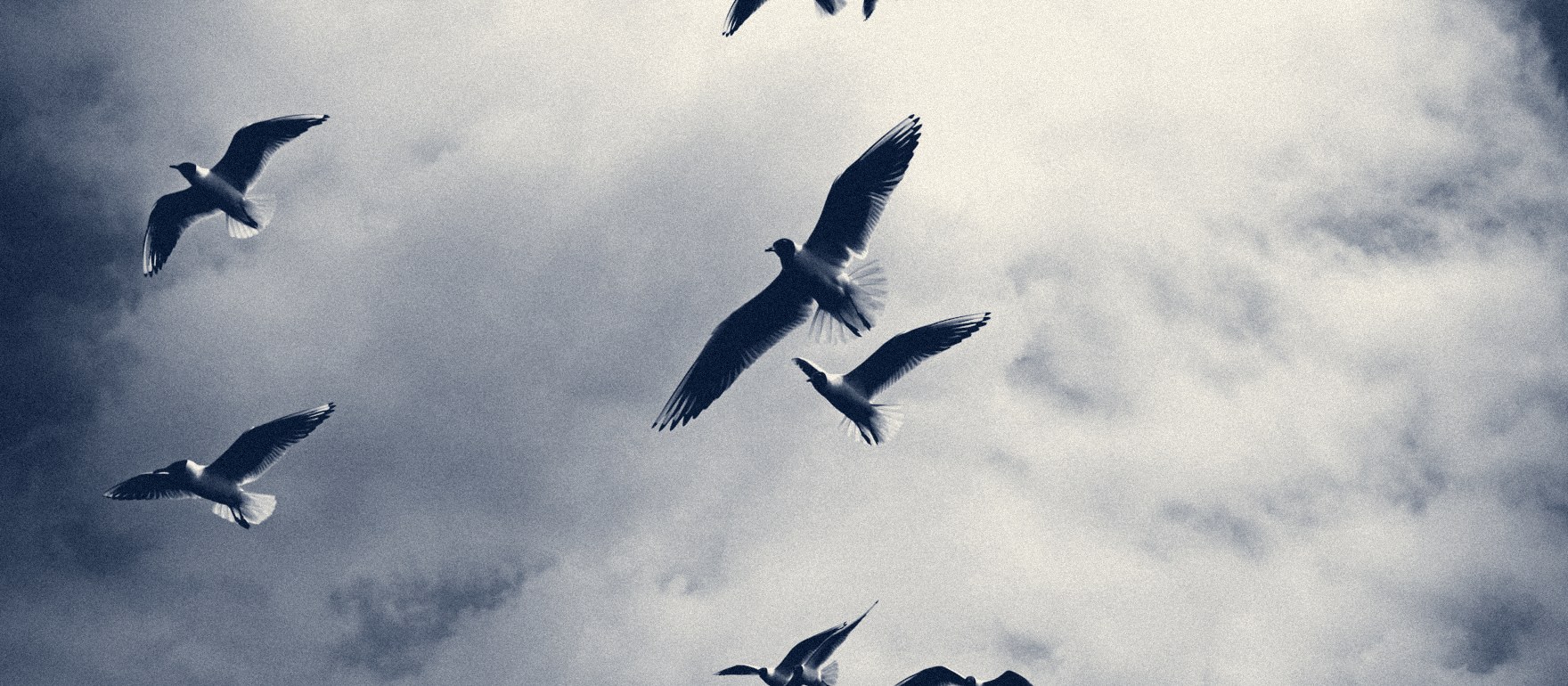
What You Call Freedom
If you asked me where I felt freest in my life, I'd give an answer nobody would guess: the mountains of Tokat, deep in Anatolia. Military service. 460 days. No phone, no options, a fixed schedule, fixed meals. But the inside of my head? It had never been that wide. I think about it now: was I free when I had everything, or when I had nothing?
I don't know the answer. I don't sell answers in this corner anyway; I ask questions. Plenty of people have answers. Steer clear of them.
We always mistook freedom for being able to do things. Buying what you want, going where you want, saying what you want. Lovely, of course. But look closely: all of that is a shop window. The real question is this: can you say no to what you don't want? Freedom is measured not by what you can do, but by what you can choose not to do. To your boss, your habit, your phone, even your own temperament.
In ancient Greece there was a man called Epictetus; born a slave, later remembered as the freest man of his age. Strange, isn't it? His formula was simple: some things are up to us, some are not. Obsessing over what isn't in our hands while missing what is. That is what bondage means. That's how the slave Epictetus was freer than his master; the master was a slave to his own anger.
Now to our own age. Sartre has a famous line: "Man is condemned to be free." Condemned! Note the choice of word. Because not choosing is also a choice, and every decision you run from still carries your signature. The sentence "I had no choice," if you ask Sartre, is the most comfortable lie we tell ourselves. A hard man. But is he wrong?
And then there's the part that concerns us most. Erich Fromm (who wrote a book called "Escape from Freedom," the title alone is enough) says people fear freedom. Because freedom is a burden; you must decide, carry the responsibility, and if you're wrong, find no one else to blame. So people quietly look for something to surrender to. A leader, a crowd, a movement... It doesn't have to be a uniform; sometimes a phone does the job.
Now you'll say, "we are free. We watch what we want, we buy what we want." Do we? When you pick up your phone at night for "ten minutes," why is it suddenly half past one? Did you choose those videos, or did an algorithm written by three thousand engineers choose them and hand you the feeling of having chosen? Spinoza said it three hundred and fifty years ago: we are aware of our desires but not of the causes that produce them; most of what we call freedom is necessity whose causes we do not see. The man solved the matter without ever seeing a phone. Respect.
In short: freedom is not a destination; it is daily labor. Something you win back every morning and let slip every evening. Nobody can give it to you, and nobody can fully take it away, but you can take it from yourself, and you take it most of all.
So let me ask, and I want an honest answer: how many of today's decisions were truly yours?
Think about it. Take your time. You're free.
Stay well.
 Ediz KentkuranKalemden Kelama27 July 2026