




Screenwriting
Not Building a Story, Solving Human Nature.
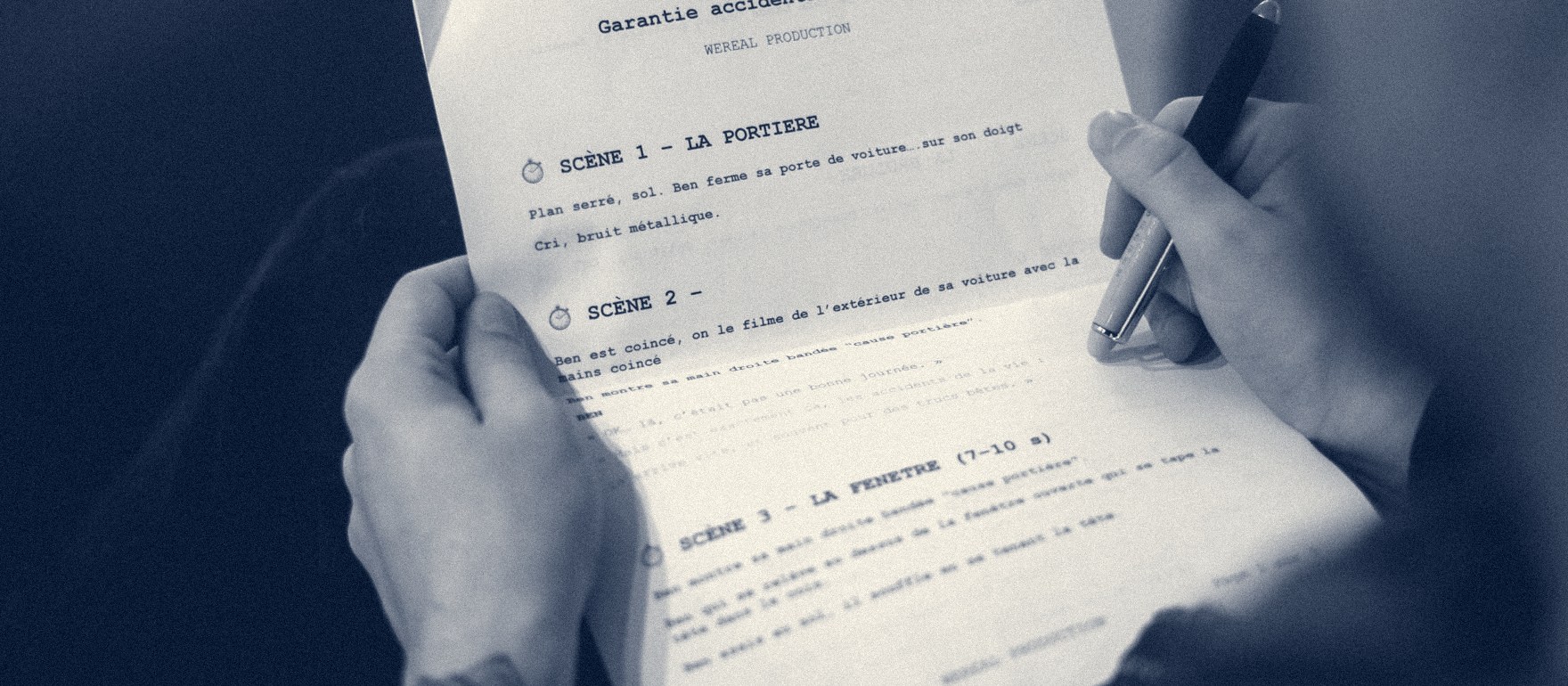
On my desk there are pages left half-finished; crowded, noisy, incident-filled pages. In the end I diagnosed the same illness in all of them: something is happening, but there is no story. Because what fills a page is incident, and what gives a page life is conflict. Without conflict there are scenes, but there is no story; this is why the most crowded scene can be utterly empty, and the quietest one brimming full. Writing a screenplay is the work of understanding what a character wants, why they cannot want it, and why they want it in spite of everything.
In a good screenplay, the problem the character faces in the outer world is tied to the lack within them. A person may want to earn money, but their real need may be to be valued. A character may chase revenge, but their real matter may be an inability to grieve. What catches the viewer isn't the size of the incident, but the truth of the feeling.
Chekhov has his famous gun: if a rifle hangs on the wall in the first act, it must go off by the third. This is told as a technical rule, but I think what it really says is this: nothing in a story stands there for nothing; every detail is a promise given, and a promise given is kept. Isn't life the same? The angers we hang on the wall today, the decisions we postpone, will surely go off one day. Writing a screenplay is the exercise of learning to see these guns in a human life.
This is why a good screenwriter observes people first. When does a person lie, when do they fall silent, when do they run, when do they give themselves away, without knowing these things, no strong scene can be written. A screenplay is written at the desk, but its material is gathered from life. Whoever doesn't understand human nature can build incidents, but cannot build a soul.
The practical method is this: ask three questions of every character. “What do they want?” “Why do they want it now?” “What do they lose if they don't get it?” If these three cannot be answered with force, the story hasn't yet been born. In my own writing too I return first to these three questions; if the answer is weak, then no matter how full the page, the story is empty. Because a good screenplay makes the viewer ask “what happens next?” and, at the very same time, “what would I do?” In short: a screenplay is written on paper but read in human beings.
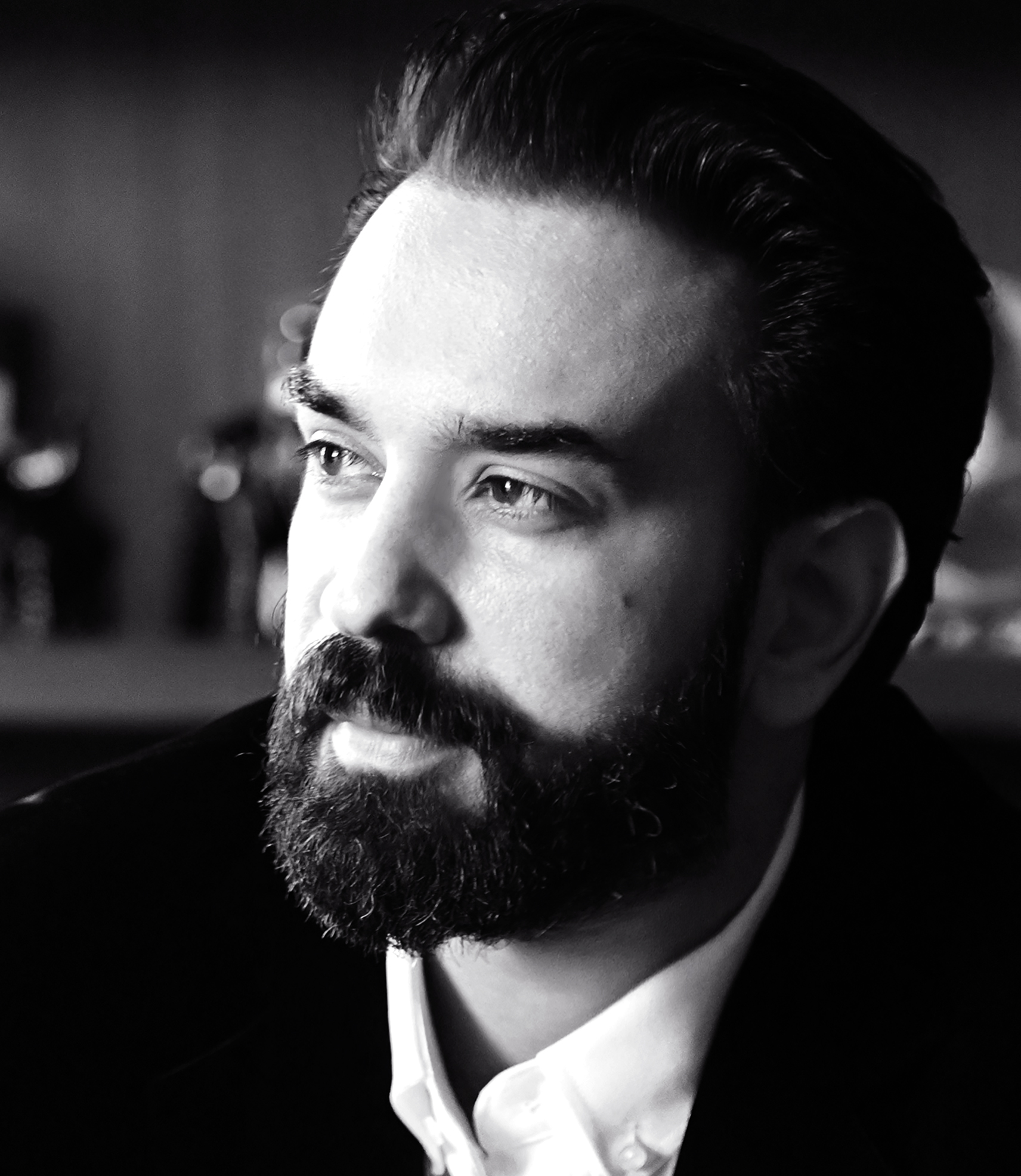 Ediz KentkuranKalemden Kelama3 May 2026