




Directing
Not Telling a Story, Building a World.
Hitchcock has a line I love dearly: “Drama is life with the dull bits cut out.” The sentence looks simple, but a whole profession is hidden inside it. Because to cut is to choose; and to choose is to decide what the viewer will see, what they will feel, and what they will never see at all. The person who makes that decision is the one we call the director. The question of where to place the camera is the easiest part of the work; the real work lies in knowing what to cut from life and what to leave in.
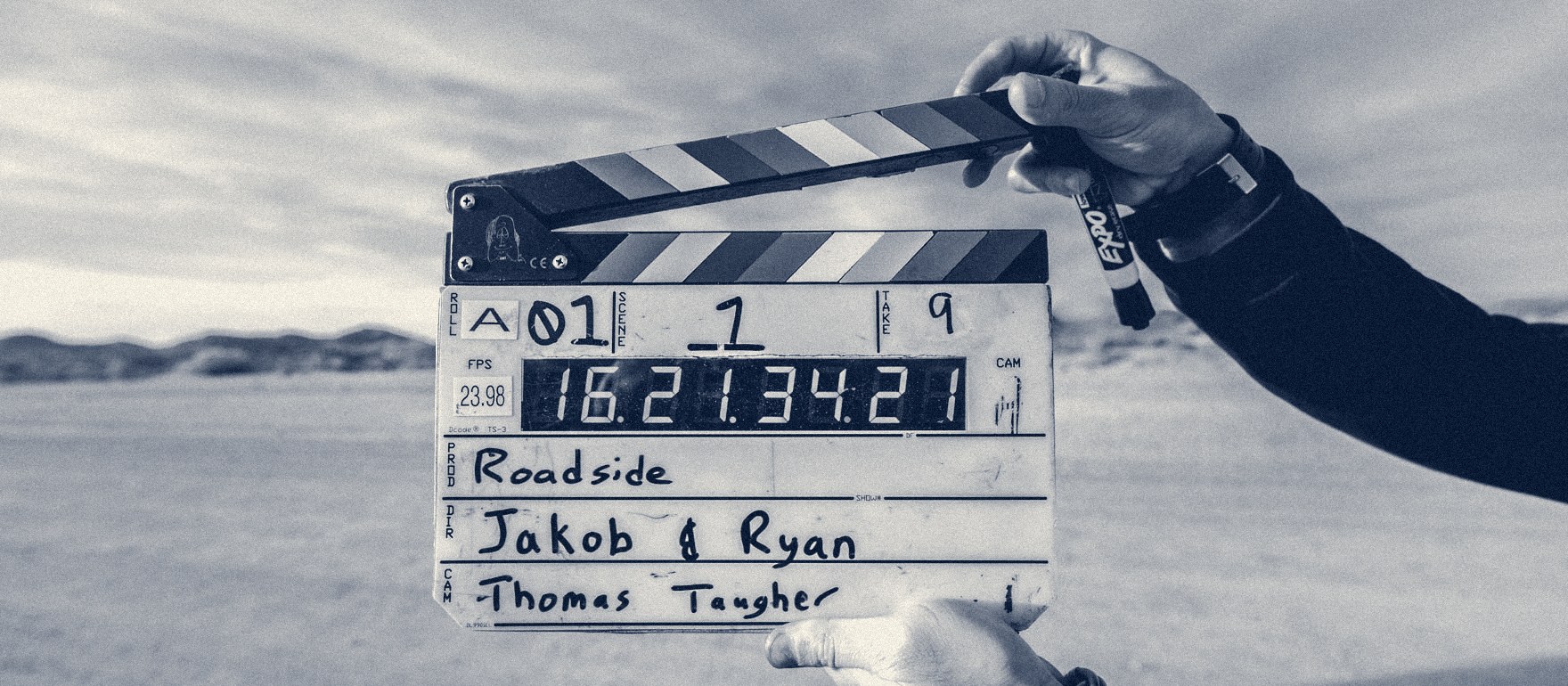
The place we call a set looks magical from outside but is a controlled chaos within. Actor, light, camera, art, costume, location, time, and budget all flow at once. Every time I step onto a set I think the same thing: whoever looks from outside sees magic; whoever looks from within sees mathematics. The director's task is not to be lost inside this flow and to make sure everyone, looking at the same place, sees the same film. This is why directing is psychological leadership as much as it is a technical craft.
A good director isn't only the one who gives orders. They are the one who asks the right question, stays silent at the right moment, and steps in at the right place. They carry, all at once, the actor's inner world, the cinematographer's aesthetic, the production's limits, and the soul of the story. The director is something like the conscience of the film; every decision answers to that conscience.
There is also a loneliness the director rarely tells anyone about. Dozens of people work on set, but the final decision rests on one person alone. In the answer to “shall we do one more take?” there is the budget, there is time, there is the actor's fatigue, and before all of them there is the truth of the film. In that moment no one can tell you what is right; because you do not yet know it either, you only feel it. Directing is the courage to shoulder the responsibility of that feeling.
Anyone who wants to direct must first learn to see. It isn't enough to shoot a scene beautifully; you must know why that scene exists. Every shot must have an intention, every silence a reason, every movement a meaning. Because even if the viewer doesn't consciously decode everything, they sense insincerity by instinct. And is all this trouble worth it? Anyone who has once lived that silence which falls over a set the moment a scene truly “happens” never asks the question again.
 Ediz KentkuranKalemden Kelama3 May 2026